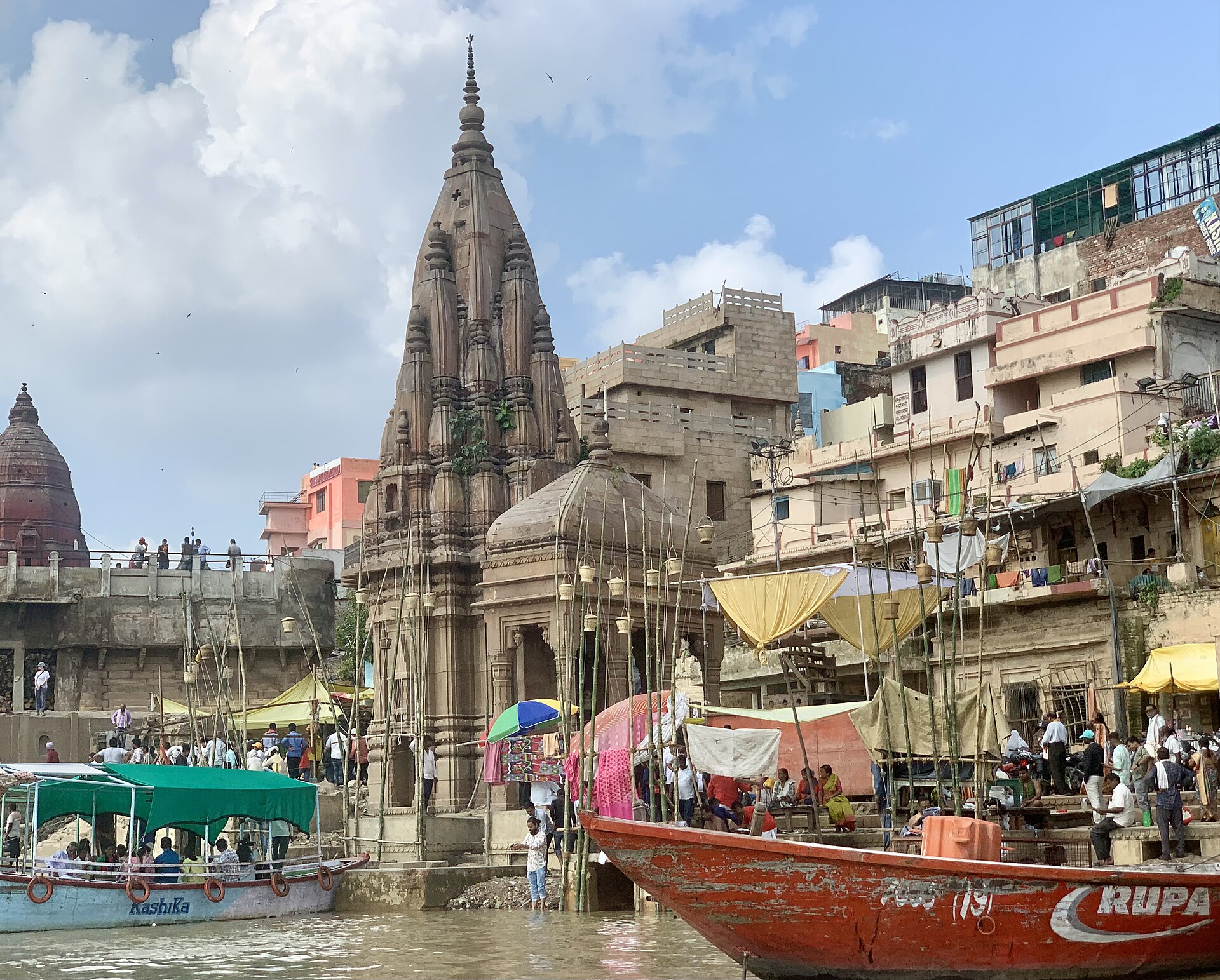
The best time to visit Varanasi is October to March, when the weather turns cool and pleasant, the light on the ghats is soft, and boat rides and the evening Ganga Aarti are at their most comfortable. The crowning window is the festival-rich stretch of late October through November, culminating in Dev Deepawali. Summer (April–June) is punishingly hot, and the monsoon (July–September) brings heavy rain and a swollen river.
This guide breaks down the weather season by season, the festivals worth timing a trip around, when it's cheapest and quietest, and how long to stay.
When is the best time to visit Varanasi?
October to March is the answer for almost every traveller. Daytime temperatures are mild, mornings are crisp, and the whole ritual life of the city — sunrise boat rides, ghat walks, the aarti — happens in comfortable weather. Within that window:
- October–November is arguably the finest: post-monsoon greenery, clear skies, and the biggest festivals (Diwali, Dev Deepawali).
- December–January is coolest and most atmospheric, though early-morning fog can be dense.
- February–March is warm-but-pleasant and quieter, with Mahashivratri and Holi as highlights.
If you can only pick one week, aim for the days around Kartik Purnima / Dev Deepawali in November — with the caveat that it is also the most crowded and should be booked far ahead.
What is the weather like in Varanasi, season by season?
Varanasi has a north-Indian climate: hot summers, a monsoon, and a short cool winter. In broad, approximate terms:
- Winter (Nov–Feb): cool and pleasant days, cold mornings, occasional dense fog in December–January.
- Summer (Apr–Jun): very hot and dry, draining especially at midday.
- Monsoon (Jul–Sep): warm and humid with heavy rain; the Ganga runs high.
- Post-monsoon / autumn (Oct): the sweet spot — the rains ease, the air clears, and temperatures settle.
What is winter (October–March) like in Varanasi?
Winter is the peak season, and for good reason: the weather is made for exactly what people come to Varanasi to do. Days are mild and sunny, evenings are cool enough for a shawl, and sunrise on the river is magical.
Two things to plan for. First, December and January mornings can be very foggy — atmospheric on the ghats, but capable of delaying flights and trains, so build a little slack into tight connections and check live flight and train status in peak winter. Second, this is also India's wedding and pilgrimage season, so the city and the temple are at their busiest around festivals.
Pack layers: light clothing for the afternoon, something warm for the pre-dawn Mangala Aarti and dawn boat rides. This is the ideal season for our companion guides — the Kashi Vishwanath darshan guide for the temple and the Ganga Aarti at Dashashwamedh guide for the evening ceremony.
What about summer (April–June) — is it too hot?
Summer is the hardest season for most visitors. Temperatures routinely climb well past 40°C, and the stone ghats radiate heat well into the evening. Sightseeing is best confined to the early morning and after dusk, with the middle of the day spent resting indoors.
That said, summer has real advantages for the right traveller: far fewer crowds, shorter temple queues, and lower demand. If you can tolerate the heat, start before sunrise, hydrate constantly, and retreat to an air-conditioned room in the afternoon, you can have the ghats and the sanctum almost to yourself. Our rooms are air-conditioned, and being a one-minute walk from the temple means you can do a dawn darshan and be back before the worst of the heat — see the rooms opposite Gate No. 4.
Is the monsoon (July–September) a good time to visit?
The monsoon is a mixed season. The rain cools the air and the city turns lush and dramatic, but downpours can be heavy, the lanes get slippery, and — most importantly — the Ganga rises significantly, which can shorten or suspend boat rides and submerge the lower ghat steps.
It is also Shravan (roughly July–August), the holiest month for Shiva worship, when Kashi Vishwanath sees enormous pilgrim crowds and long queues, particularly on Mondays. So the monsoon can be simultaneously quiet for general tourism and extremely busy for temple darshan.
Come in the monsoon if you want lower prices and a moody, green city, and don't mind that river activities may be curtailed. Check the river and weather conditions close to your dates, and keep plans flexible, since boat operations depend on the weather and river level in the monsoon.
What are the best festivals to plan a Varanasi trip around?
Varanasi's festival calendar is one of the richest in India, and timing a visit to a festival transforms the experience. The major ones (festival dates follow the lunar calendar and shift each year, so confirm before booking):
- Dev Deepawali — on Kartik Purnima (in 2026, the night of Tuesday, 24 November). Lakhs of diyas light the entire ghat crescent; the most spectacular night of the Varanasi year. Book months ahead.
- Diwali — the festival of lights, about a fortnight before Dev Deepawali (October/November).
- Mahashivratri — the great night of Shiva (February/March); Kashi Vishwanath is at its most fervent and crowded.
- Shravan (Sawan) — the holy Shiva month (July–August); huge daily pilgrim crowds at the temple.
- Holi — the festival of colours (March); Varanasi's version is famously exuberant.
- Ganga Mahotsav — a cultural festival of music and dance on the ghats around Kartik Purnima (November).
- Buddha Purnima — significant at nearby Sarnath (April/May), where the Buddha gave his first sermon.
Festivals mean the city at its most alive — and its most crowded. If your trip centres on one, our direct-booking offers include a Dev Deepawali package, and it is wise to request a stay early.
When is the cheapest and least crowded time to visit?
Summer (April–June) and the monsoon (July–September) are the quietest and lowest-priced windows for general tourism — with the important exception of Shravan, when temple crowds peak. If your priority is calm ghats, short darshan queues and lower rates, and you can handle heat or rain, the off-season delivers.
Conversely, the winter festival season — especially the weeks around Dev Deepawali and any weekend — is the most expensive and crowded. Weekdays are always calmer than weekends at the temple, whatever the season.
How many days do you need in Varanasi?
Two full days (three nights) is the comfortable sweet spot for a first visit: enough for the temple, the ghats, the aarti, a sunrise boat ride, and a half-day trip to Sarnath, without rushing.
A rough shape:
- Day 1: Arrive, settle in, evening Ganga Aarti at Dashashwamedh (an 8–10 minute walk).
- Day 2: Pre-dawn Mangala Aarti darshan, Annapurna Devi, breakfast, a sunrise boat ride; afternoon in Godowlia for Banarasi silk.
- Day 3: A half-day at Sarnath (about 10 km), then depart.
If you only have 24 hours you can still see the essentials by staying at the doorstep of the temple; if you have longer, add Assi Ghat's sunrise Subah-e-Banaras, Kaal Bhairav, Ramnagar Fort, or a day trip to Prayagraj. See how to reach us for arrival logistics from the station and airport.
Frequently asked questions
What is the best month to visit Varanasi? November is often the single best month — clear post-monsoon weather plus the great festivals of Diwali and Dev Deepawali. For fewer crowds with still-pleasant weather, February–March is excellent. The broad best window is October to March.
What is the best time of year for the Ganga Aarti and boat rides? October to March, when the weather is cool and the river is calm. Boat rides can be curtailed during the monsoon (July–September) when the Ganga runs high, so the cool, dry season is ideal for time on the water.
Is Varanasi too hot to visit in summer? April to June is very hot, often above 40°C, so sightseeing is best limited to early morning and evening. It is manageable with an air-conditioned room, dawn starts and plenty of water — and it rewards you with far fewer crowds and shorter temple queues.
When is Dev Deepawali in 2026? Dev Deepawali falls on Kartik Purnima — in 2026, the night of Tuesday, 24 November. It is the most spectacular night on the ghats and the busiest of the year; book accommodation months ahead.
How many days should I spend in Varanasi? Two full days (three nights) is comfortable for the temple, the ghats, the aarti, a sunrise boat ride and a half-day at Sarnath. You can see the essentials in 24 hours if you stay close to the temple, or add day trips with more time.
Which is the least crowded time to visit Varanasi? Summer (April–June) and the monsoon (July–September) are quietest and cheapest for general tourism — except during Shravan (July–August), when temple crowds peak. Weekdays are always calmer than weekends.