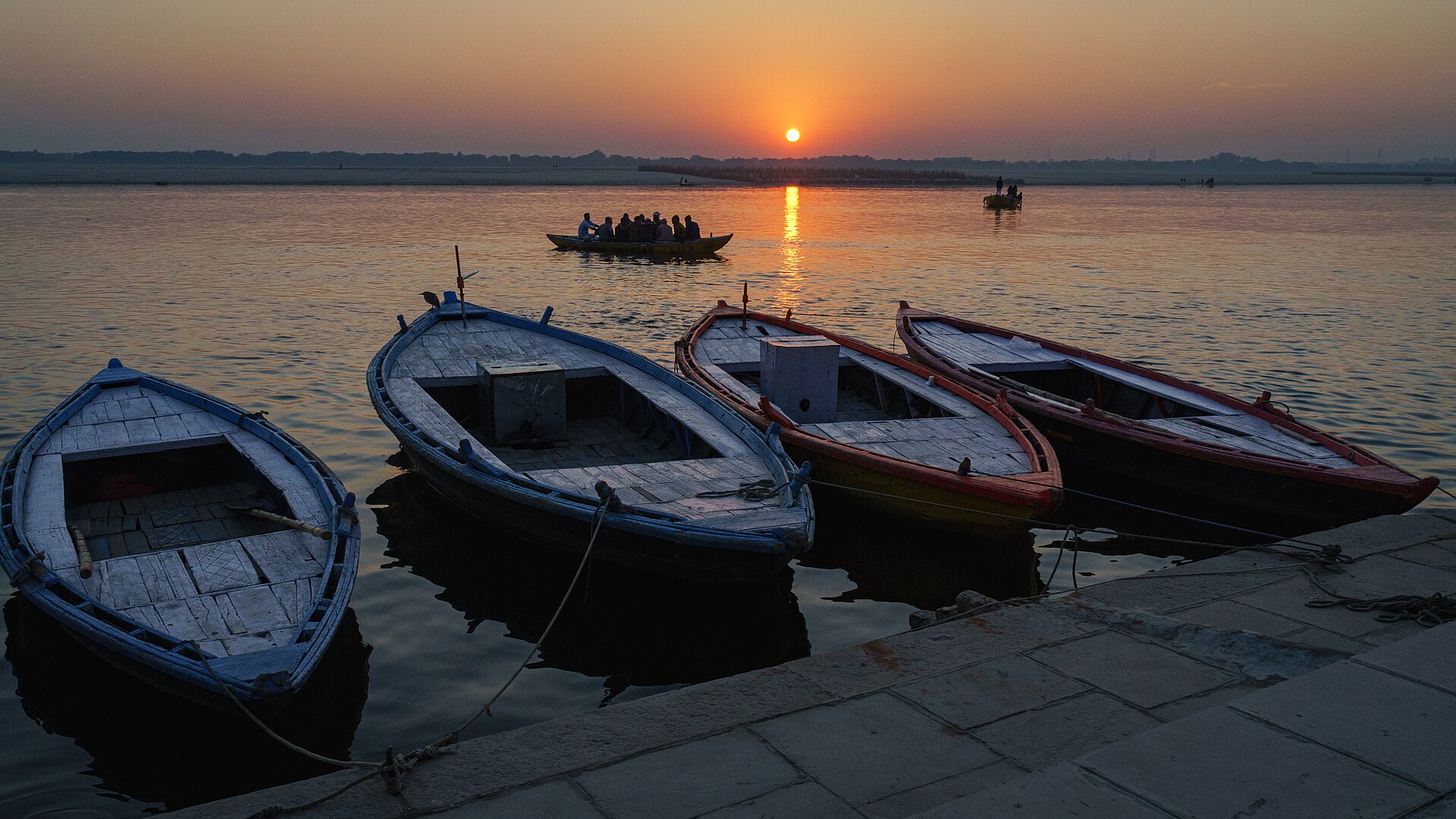
Beyond its celebrated breakfast trail, Banaras has three edible legends that reward the curious traveller: paan, the after-meal ritual; thandai, the fragrant cooling drink; and malaiyo, an almost mythical saffron milk-foam that appears only on winter mornings and vanishes by mid-morning. Here is what each is, when to find it, and the one important caution about bhang that every visitor should understand.
What is Banarasi paan, and is it safe to try?
Paan is the classic Indian after-meal ritual — a betel leaf folded around a filling and chewed slowly. Banaras is famous for it, and the version to try is the meetha (sweet) paan: a leaf packed with rose-petal preserve (gulkand), fennel, grated coconut, sweet supari and other aromatics, with no tobacco. It is refreshing, digestive and utterly Banarasi.
Two honest cautions. First, ask specifically for meetha paan without tobacco — some paans contain tobacco or areca preparations that are not for everyone and are best avoided. Second, paan produces red juice; spit responsibly. Beyond that, a sweet paan after dinner is a lovely, safe way to end a Banarasi meal.
What is thandai — and what is the bhang version?
Thandai is a cooling, spiced milk drink — full-fat milk blended with fennel, black pepper, cardamom, rose, saffron and ground nuts like almonds. Served chilled, it is fragrant, mildly sweet and genuinely refreshing in the heat. In its ordinary form it is completely family-friendly and delicious.
But there is a special version to know about. During Holi and Maha Shivratri, thandai is often infused with bhang — a preparation of cannabis — as part of the age-old tradition of Shiva's city. This is intoxicating. If you do not want any cannabis, ask explicitly for plain thandai without bhang, and be clear, because in festival season the bhang version is everywhere. Bhang is not for children, for anyone driving, for those on medication, or for anyone who simply doesn't want it — its effects are strong and slow to arrive, which catches the unwary out. When in doubt, skip it and enjoy the plain thandai, which is wonderful on its own.
What is malaiyo, and why is it so hard to find?
Malaiyo (also spelled malaiyyo or makhan-malai) is the most magical — and most fleeting — sweet in Banaras. It is an ethereally light saffron-scented milk foam, whipped from full-fat milk left out through the cold night to catch the winter dew, then topped with pistachios and slivers of silver leaf and served in tiny earthen cups.
It exists only under two conditions:
- Winter only — roughly November to February, because it depends on genuinely cold nights and morning dew.
- Dawn only — it is made and sold in the early morning and melts away by late morning as the sun warms up. Come noon, it is gone.
If you visit Banaras in winter, seeking out malaiyo at dawn is one of the great small pilgrimages of the trip. Ask locally — or ask our front desk — where the morning's malaiyo vendors have set up, as they move with the season.
When can I find each of these?
- Paan — year-round, any time, especially after meals.
- Thandai — year-round; the plain version always, the bhang version mainly around Holi and Shivratri.
- Malaiyo — winter dawns only (roughly November–February), sold out by late morning.
Timing your trip for the cooler months means you catch malaiyo and the pleasantest weather for temple-hopping.
How do I fit this into a day in Banaras?
Weave the sweets around the sacred: malaiyo at dawn after a sunrise boat ride, the breakfast trail mid-morning, thandai to cool the afternoon, and a meetha paan to close dinner before the evening aarti. Staying a minute from the temple means you can duck back to rest between each — and our pure-vegetarian kitchen is always there when the lanes feel like too much. Tell us your tastes when you request a stay and we will point you to the morning's best finds.
Frequently asked questions
What is malaiyo and when can I eat it in Varanasi? Malaiyo is a light, saffron-scented milk foam topped with pistachios and silver leaf, served in earthen cups. It is available only on winter dawns — roughly November to February — and melts away by late morning, so you must seek it out early.
Is Banarasi thandai alcoholic or intoxicating? Plain thandai is a non-intoxicating spiced milk drink, entirely family-friendly. However, a bhang (cannabis) version is common around Holi and Maha Shivratri and is intoxicating. Always ask explicitly for thandai without bhang if you do not want any cannabis.
Is bhang legal in Varanasi? Bhang is traditionally consumed in Varanasi around festivals like Holi and Shivratri and is sold in that context, but it is intoxicating and not for everyone — not for children, drivers, or anyone on medication. If you prefer to avoid it, order plain thandai and say so clearly.
Which paan should a first-timer try? Ask for meetha (sweet) paan without tobacco — a betel leaf filled with rose-petal gulkand, fennel and sweet supari. It is a refreshing, digestive way to end a meal, and avoids the tobacco that some paans contain.
Why is malaiyo only available in winter? Malaiyo depends on genuinely cold nights and morning dew to set its delicate foam, so it is made only through the winter months and only in the early morning, disappearing once the day warms.
Where can I find these Banarasi specialities? Paan and thandai are found year-round across the old city; malaiyo appears at dawn in winter and its vendors move with the season. Ask locally, or ask our front desk, and pair the hunt with the breakfast trail and a sunrise on the river.